

In this article
- Anyone can buy a property in Spain, whether they are an EU citizen or not and whether they are resident or not. Certain regions of Spain have seen significant price increases in the last year. What changes if you are from Europe and not a resident? It's important to consider the following.
- What do they ask for to buy a house in Spain
- Can I buy a house in Spain without a NIE?
- Do you need to appoint a fiscal representative when buying a property in Spain as a foreigner?
- Can I buy a house with foreign money?
- How to buy a house in Spain as a foreigner step-by-step
- What taxes does a foreigner pay when buying a house in Spain?
- If I buy a house in Spain, will I be given residency?
- Frequently asked questions
- Can I, as a tourist, buy a house in Spain?
- Can you buy a house with a passport?
- What happens if I buy a house in Spain? Do I get residency?
- Which foreigners buy the most housing in Spain?
- Is there a 100% tax for foreigners buying property in Spain?
In this guide, we resolve the main questions about How to buy a house in Spain as a foreigner, a key decision for European buyers with purchasing power who want to live in one of the countries with the highest quality of life in Europe.
This is a guide intended for European buyers who want to settle on the Costa Blanca, especially those coming from countries like the Netherlands and seeking the quality of life, sunshine, and legal security that Spain can offer as a second residence or for a more stable change of life.
Therefore, Asencio Homes answers the most common questions in this article, such as how to carry out the process without costly errors, without improvising with the NIE, without signing poorly planned deposit agreements, and without encountering surprises regarding taxes, residency, or money traceability.
Note
Spain permits purchases by foreigners with a highly formalised framework involving notaries, registration, and taxation.
Anyone can buy a property in Spain, whether they are an EU citizen or not and whether they are resident or not. Certain regions of Spain have seen significant price increases in the last year. What changes if you are from Europe and not a resident? It's important to consider the following.
Any foreigner can buy a property in Spain, even if they are not a resident. The legal basis is very simple: The General Access Point of the Spanish Administration dedicate an entire specific section to the buying and selling of real estate with separate information on the notary, registry, and tax.
Yes, Buying property in Spain as a non-resident is legally possible.. The only thing that varies is:
- the prior documentation
- the way of identifying yourself for tax purposes
- subsequent obligations
However, in terms of residency, it is different. Citizens of the EU, such as those from the Netherlands, Belgium, Germany or France, who buy a house in Spain without being residents must take into account the legal stay period:
- For stays of less than three months → with a valid passport or national identity card and there is no general obligation to register for a short stay
- For stays of more than three months → you must register as a resident with the Central Register of Foreigners within that period.
- If you do not work in Spain, you will need to prove you have medical insurance and sufficient funds.
🔑 Key summary
You can buy a house in Spain as a foreigner and non-resident, but if you want to live in it for a period of more than 3 months, you will have to register as a resident once you have purchased the property and proven your stay.
What do they ask for to buy a house in Spain
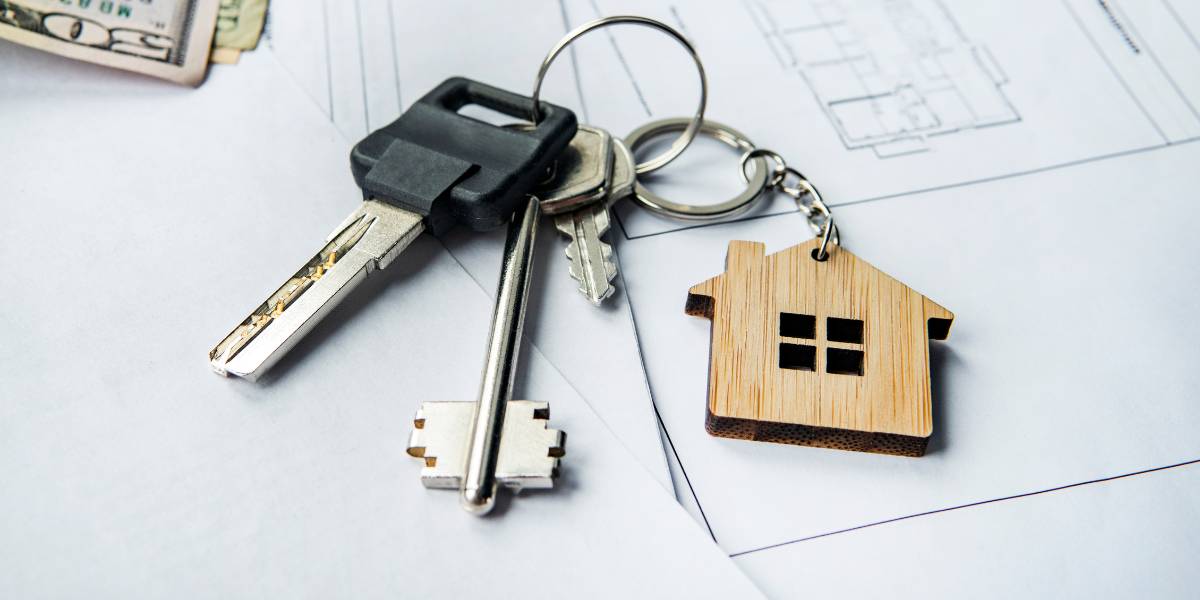
The document they ask you for when buying a house in Spain is the NIE, the foreigner's identity number required by the Spanish Ministry of the Interior. To apply for this NIE, other documents are required, such as form EX-15, a valid passport, or the identity document from the country of origin.
In addition to the mandatory paperwork, the requirements for foreigners buying a house in Spain include:
- To be able to identify yourself at all times via the NIE requested and your documents from your country of origin. That is, you are always identified as a private individual and a citizen.
- To justify the origin of the money by which you are going to purchase the property. To prevent money laundering, entities may request documentation to ascertain the origin of all available funds and the client's economic activity, as well as the relationship between that money and their professional or business activity.
- To sign and settle taxes of the operation with solvency
The most advisable thing is to get the process underway with your file prepared before reserving the property, especially if you want to complete the purchase quickly.
💡 Tip
At Asencio Homes, we take care of all the paperwork and ensure you have the perfect file at all times while reserving your chosen villa. No intermediaries!
Can I buy a house in Spain without a NIE?
You can, but it's not the most recommended way.. The Spanish Tax Agency always has alternatives whereby a person can apply for an NIF M if they are going to carry out operations with tax relevance and do not yet have a NIE. For this document, a valid passport is required, proof that the NIE has been applied for and that there is no obligation to have it, and justification of the property sale transaction. But this is the most difficult route, and in the end, you will inundate your process with slowness and paperwork that really just wastes your time. That's why The best thing is to have a NIE to buy property in Spain.
Still unsure which city or town you'll be living in? Take a look at our guide and clear up any doubts: The 7 best places to live in Spain for foreigners.
Do you need to appoint a fiscal representative when buying a property in Spain as a foreigner?
For EU buyers, the Spanish Tax Agency says that There is no obligation to appoint a representative resident in Spain for the purposes of IRNR.
However, for convenience, many buyers choose to have a solicitor or advisor sign documents or manage payments that could be confusing or could cause problems in case of error.
💡 Tip
At Asencio Homes, we explain to you at all times what you are going to sign and why. We will be there for you to understand Spanish legality and everything that involves the purchase and sale of a property and one of our Villas on the Costa Blanca.
Can I buy a house with foreign money?
You can do it, but what really matters is traceability. Banks are permitted to request documentation that allows them to ascertain the origin of those funds, as well as the nature of the client's activity and the relationship between that money and their professional or business activity. This helps to prevent money laundering, especially when it comes from outside the country.
Furthermore, it is important to emphasise that cash should be avoided. The Spanish Tax Agency limits cash payments equal to or exceeding €10,000 for those who do not have tax residency in Spain. The correct way to pay is by bank transfer or cheque, as this leaves a legal documentary trail.
🔑 Key summary
When considering how to buy a house in Spain as a foreigner, don't forget to prepare bank statements, sales contracts for other assets, proof of dividends, inheritances or recurring income, and translations or apostilles where applicable, in advance.
How to buy a house in Spain as a foreigner step-by-step
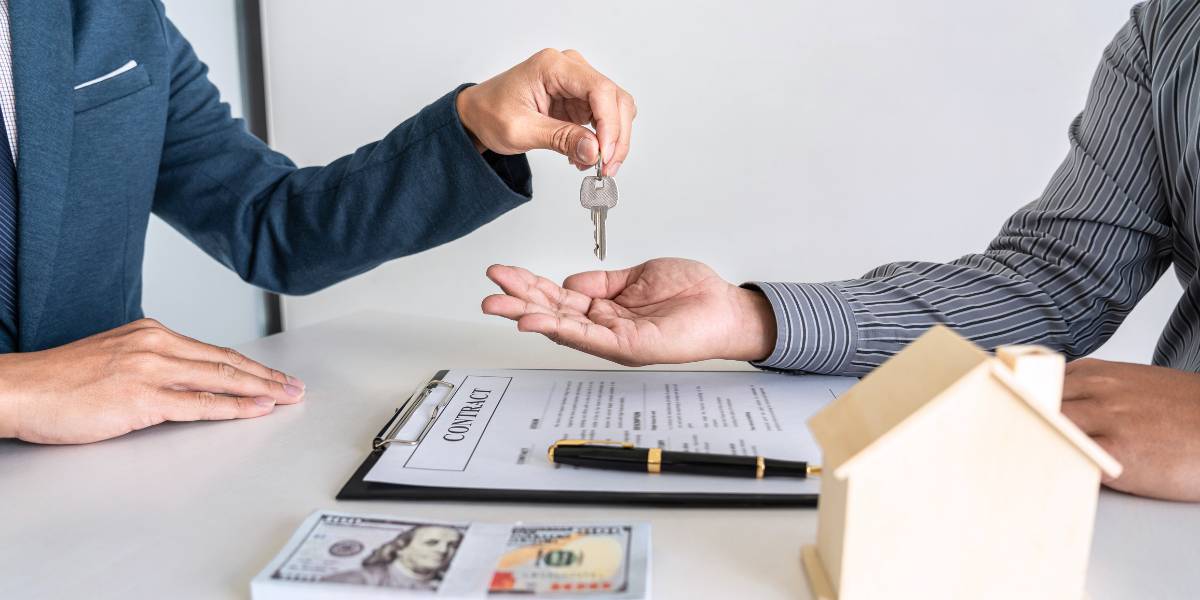
The process of buying and selling property in Spain as a foreigner must be understood in phases, not as a single final act. It follows these steps:
Choose wisely before booking
Before you pay anything, thoroughly check your new home. Not only to see if it matches your tastes, but also to verify ownership, property tax (IBI), land registry details, etc., so that everything is clear from the outset.
Don't sign a deposit agreement blindly
A deposit is not obligatory, but it is a valid contract. From the moment it is signed, it obliges the purchase. Never sign a deposit without having reviewed the project or, in your situation, having obtained your NIE.
Decide whether to buy with cash or a mortgage
Most buyers from Northern Europe (and elsewhere) pay cash, but not all. If you don't have that kind of investment upfront, think carefully because mortgages for non-residents they do not normally exceed 70% of the valuation and in some cases it can be as high as 50%.
Sign the public deed with all the documentation in order
A public deed is not mandatory for a purchase and sale agreement, but it is advisable for the notary as it provides legal certainty and control of legality regarding encumbrances, payment methods, energy performance certificates, payment of property tax (IBI), and cadastral reference.
Paying regional taxes
The purchase of property in Spain as a foreigner requires the payment of regional taxes, which must be paid within the legal timeframe (generally around 30 working days after signing), and the purchase must be registered in the Official Registry. Registration protects the acquired right of the sale.
💡 Tip
We carry out all these stages at Asencio Homes without you having to do anything. It's as easy as that, as simple as that. Because from the very beginning, we explain how it's going to be and we carry out everything with a single team, with no one else; it's always the same people working on your project from start to finish.
What taxes does a foreigner pay when buying a house in Spain?
If you buy a new-build property directly from a developer in Spain, the transaction is subject to VAT. The VAT rate for the sale of residential properties is 10.5%, according to the Spanish Tax Agency.
For the sale of properties on the Costa Blanca, specifically in the Valencian Community, regional legislation adds the Stamp Duty (Impuesto sobre Actos Jurídicos Documentados - AJD) to the VAT. This means that the territory affects the final tax budget, and one cannot simply consider the national price for the entire country.
Once those taxes have been paid, you need to add the conveyancing fees, registration fees, potential management fees, valuation fees in the case of a mortgage, and the solicitor's fees if you hire one.
There are five main spending blocks after general taxes:
- Town hall 'plusvalía' tax
- Notary Public
- register
- taxes
- Management consultancy
Once you have made your purchase, you will face maintenance costs and annual tax liabilities. If you are a non-resident and use the property for your own purposes, the Tax Agency states that there is an imputed income on urban properties used for personal purposes or left vacant, calculated by applying the relevant percentage to the cadastral value, which must be declared using Form 210. The standard rate of IRNR is 19.1% for residents of the EU, Iceland, Norway and Liechtenstein, and 24.1% for residents of other countries.
Furthermore, for high net worth individuals, the Wealth Tax and the Temporary Solidarity Tax on Large Fortunes must also be added. Non-residents are taxed on assets and rights located or exercisable in Spain., with a general exemption threshold of €700,000 and net assets exceeding €3,000,000.
🔑 Key summary
How much does a foreigner pay to buy a property in Spain?
- Before purchase: Taxes on the acquisition itself, VAT + regional tax (AJD).
- During the purchase process: municipal capital gains tax, notary, registry and administrative fees, as well as legal fees if lawyers are hired.
- After purchase: maintenance costs and annual tax for the standard 19% model for residents of the EU, Iceland, Norway and Liechtenstein, and for the 24% model for all other countries. Apply if you are a non-resident and use the property for yourself.
- Assets exceeding €700,000: The Wealth Tax and the Temporary Solidarity Tax on Large Fortunes must be added.
If I buy a house in Spain, will I be given residency?
No. If you buy a house in Spain, you are not granted residency. The shortcut that used to provide residency for purchasing a home in Spain no longer exists, according to Organic Law 1/2025.
The version of the Act 14/2013 shows that Articles 63, 65, 66, and 67 concerning visas and residency permits for investors were rendered void from 3 April 2025, by the final provision 21.1 of Organic Law 1/2025.
For an EU citizen, this is not a problem. A Dutch national, for example, does not need to buy property in order to live legally in Spain for a short period. They can enter with a passport or national identity card, and if they decide to stay for more than 3 months, they must register as a resident and provide proof of health insurance and sufficient financial means if they are not working here. In other words, once this simple procedure is completed, an EU member can perfectly well buy a house or become a resident, or both, but not directly through purchase.
Frequently asked questions
We'll answer your most frequently asked questions about buying a house in Spain as a foreigner to make this guide more comprehensive.
Can I, as a tourist, buy a house in Spain?
Yes, being able to buy and being able to reside are different matters. The buying and selling of property does not in itself require you to be a resident. What it does require is that you can identify yourself and comply with the notarial and fiscal procedures of the transaction.
Can you buy a house with a passport?
The passport serves to initiate the file by identifying you to agents, lawyers or banks and to prepare certain documents, but using it without further ado to close the operation is not at all recommended. The Spanish Tax Agency requires the NIF of the person when a NIE or Spanish DNI does not yet exist, which is why the passport is a temporary fiscal solution.
What happens if I buy a house in Spain? Do I get residency?
No, buying a property does not grant residence by itself. As of 3 April 2025, the law no longer considers this route. If you are an EU citizen, your access to live in Spain is straightforward, as it comes through freedom of movement and not by purchasing property.
Which foreigners buy the most housing in Spain?
According to the latest statistics for the first quarter of 2025, British nationals were the largest group of buyers in Spain, accounting for 8.21% of the total, followed by Germans with 6.41% and Dutch nationals with 6.1%.
Is there a 100% tax for foreigners buying property in Spain?
As of the date of this article, no, there is no general 100% tax in force for foreigners buying property in Spain. The tax regime for property purchases continues to involve paying VAT on new-build properties and stamp duty in accordance with regional regulations.
The process in the hands of professionals
Buying a house in Spain isn't complicated if you work with the right team.
Specialising in the Costa Blanca, in the Vinalopó Mitjà area of Alicante, Asencio Homes helps foreigners like you to live in Spain with a single team, no intermediaries, and complete legal clarity from day one.
Discover our real estate agency in Costa Blanca Spanish
  English
  French
  German
  Dutch
Dutch